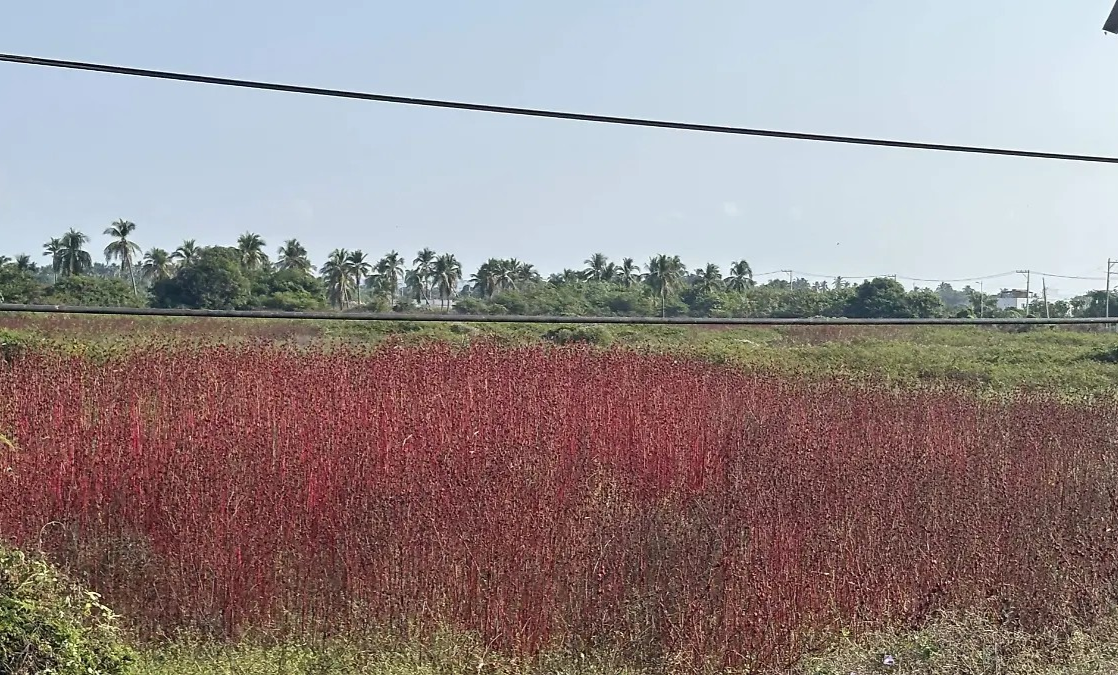

The Secretary of Agriculture, Livestock, Fisheries and Rural Development (Sagadegro), Alejandro Zepeda Castorena, stated that hibiscus flower production in Guerrero has not been significantly affected by pests. With an annual harvest of between 5,000 and 8,000 tons, the state remains the leading producer of hibiscus flower in Mexico.
He explained that four municipalities in the Costa Chica region and surrounding highlands — Ayutla, Tecoanapa, Iliatenco, and Juan R. Escudero — have favorable climate conditions and strong potential for hibiscus production.
According to Zepeda Castorena, some varieties of hibiscus are not fully adapted to local conditions, while drought and excessive humidity can also affect crops. However, despite these climatic difficulties, Guerrero continues to rank first nationally in hibiscus production.
Local hibiscus producers in Tecoanapa have warned that the “black leg” pest has reduced production in the municipality, affecting farmers who are also dealing with low prices and competition from Chinese hibiscus.
The state official acknowledged that different crops face different pests. Mango trees, for example, can be affected by “witches’ broom,” coconuts by the “black palm beetle,” and corn by tar spot. However, he maintained that hibiscus production has not been seriously affected.
He explained that a plant health committee helps monitor these situations in addition to the technical personnel working for Sagadegro.
When asked whether hibiscus crops were affected by pests, Zepeda Castorena said that pests are a general issue affecting agricultural production systems and emphasized the importance of shared responsibility among producers and municipal, state, and federal governments.
He also stated that the federal and state governments are working together on animal and plant health programs.
Zepeda Castorena emphasized that the government is looking for ways to provide small-scale farmers with tools and marketing channels that will allow them to sell their products more effectively.
As part of a pilot program with the federal government, hibiscus was purchased directly from producers. During the previous production cycle, 50 tons were purchased, and authorities expect to repeat the program this year.
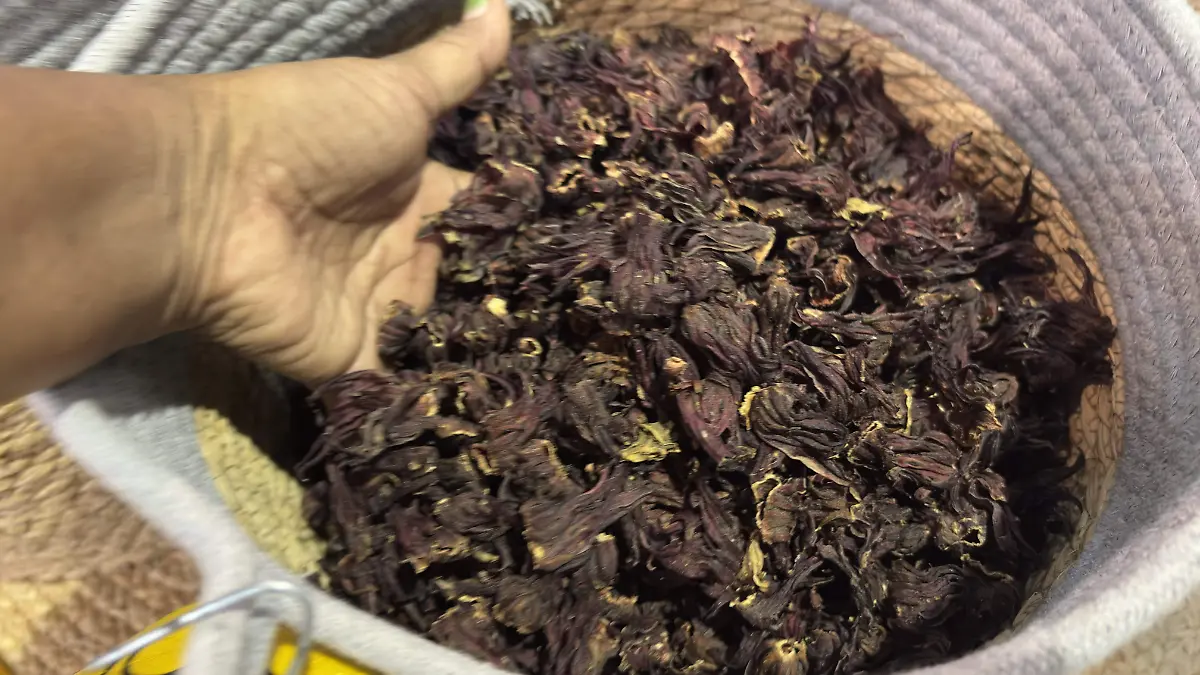
The hibiscus is being sold to the Food for Well-Being program at a price of 130 pesos per kilogram. However, producers consider this price too low because the market price ranges between 230 and 300 pesos per kilogram.
The Sagadegro official also noted that supermarkets in the state are selling hibiscus imported from China and Africa. Through direct government purchases, authorities hope to establish better marketing channels so that locally produced hibiscus remains in Guerrero and is sold at a fair price to small-scale farmers.
However, he acknowledged that one of the main challenges is maintaining a consistent supply in order to meet supermarket demand.
For this reason, he stressed the need for government institutions and producers to work together to strengthen the sector and support small-scale farmers.
Source: oem